
Triton AX Live:
a Next-Generation Liquid-Cell in situ TEM Workshop
scientific exchange and hands-on experiments featuring Protochips’ Triton AX liquid-cell solution
January 20th – 21st, 2027
Protochips and the Ernst Ruska-Centre (ER-C) invite researchers to participate in a two-day workshop dedicated to recent developments in liquid-cell in situ transmission electron microscopy (TEM). The event will feature the first public demonstration of the Triton AX system and provide participants with the opportunity to explore new experimental approaches combining liquid-cell TEM with heating, cooling, and electrochemical measurements.
With a temperature range from −50 °C to 300 °C and integrated electrochemical capabilities, the Triton AX system enables the investigation of electrochemical processes under a wide variety of conditions, opening new perspectives for research in areas such as energy materials and battery science. As one of the early adopters of the technology, the Ernst Ruska-Centre in Jülich offers an ideal setting to discuss both the opportunities and challenges associated with these emerging methodologies.
The workshop program will include live demonstrations of the system, presentations on recent technological developments, and talks by invited speakers who will share their research and practical experiences with liquid-cell in situ TEM. In addition, participants will have ample opportunity to engage in discussions and exchange ideas with fellow researchers, Protochips specialists, and members of the ER-C community.
The workshop will provide an opportunity to explore the capabilities of the Triton AX system, including advanced liquid-cell in situ TEM workflows combining heating, cooling, and electrochemical measurements.
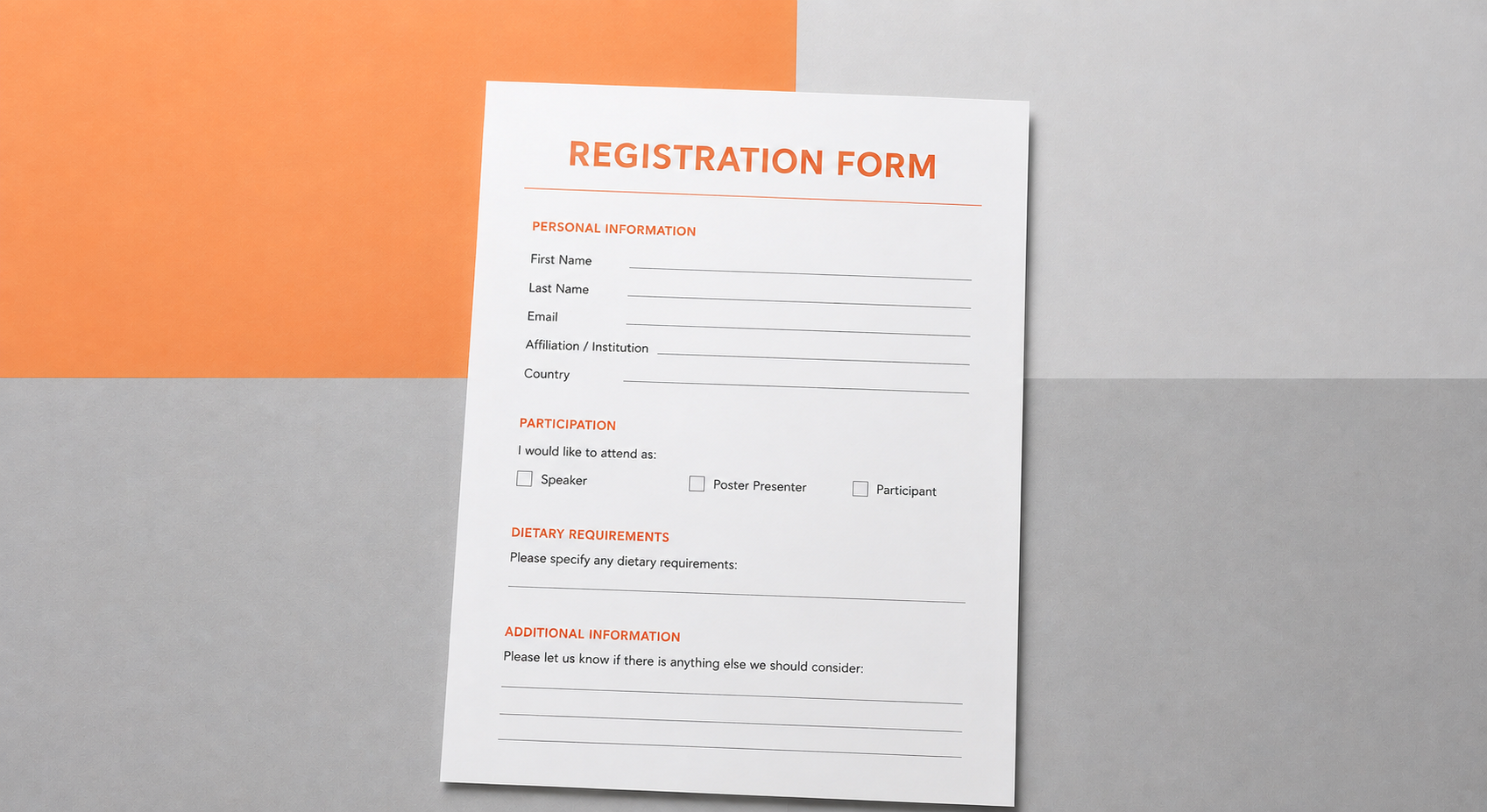
Participation is free of charge; however, registration is required.



WORKSHOP HIGHLIGHTS
- First public demonstration of the Protochips Triton AX system
- Live demonstrations of in situ TEM workflows, including liquid-cell experiments with heating, cooling, electrochemistry, and FAIR-compliant software solutions
- Presentations by invited speakers highlighting current applications and research perspectives in liquid-phase TEM
- Opportunities for scientific exchange and discussion with Protochips specialists and members of the ER-C community
PRACTICAL INFORMATION
- A limited number of rooms at the Dorint Hotel in Düren are available to workshop participants at special rates (accommodation costs must be covered by the participants). Reservations can be made by email at: reservierung.dueren@dorint.com using the keyword “TritonAX”
- Complimentary shuttle transportation between the Dorint Hotel and the workshop venue will be provided
- Lunch and coffee breaks on both workshop days are included free of charge
- The program features lectures, live demonstrations, and guided tours of the facilities
Please note: Participation in the workshop is free of charge. However, attendees are responsible for their own travel and accommodation expenses.
As the number of places is limited to ensure meaningful interaction during demonstrations and discussions, registration is required.

ABOUT PROTOCHIPS
Protochips is a world-leader in design and manufacture of in situ TEM solutions and software for TEM data management. For 20 years, they have worked together with the scientific community to advance in situ capabilities which answer some of today’s most challenging research questions. By collaborating with our community, they create innovative workflow solutions to understand material behavior starting at the nanoscale.
ABOUT ER-C
The Ernst Ruska-Centre (ER-C) for Microscopy and Spectroscopy with Electrons is a national user facility jointly operated by Forschungszentrum Jülich and RWTH Aachen University, providing researchers from academia and industry with access to world-leading electron microscopy and nanocharacterisation capabilities. Located at Forschungszentrum Jülich, the ER-C combines state-of-the-art instrumentation with expert scientific and technical support, enabling cutting-edge research across materials science, condensed matter physics, nanoelectronics, and related fields through a proposal-based access program.